Executive Summary
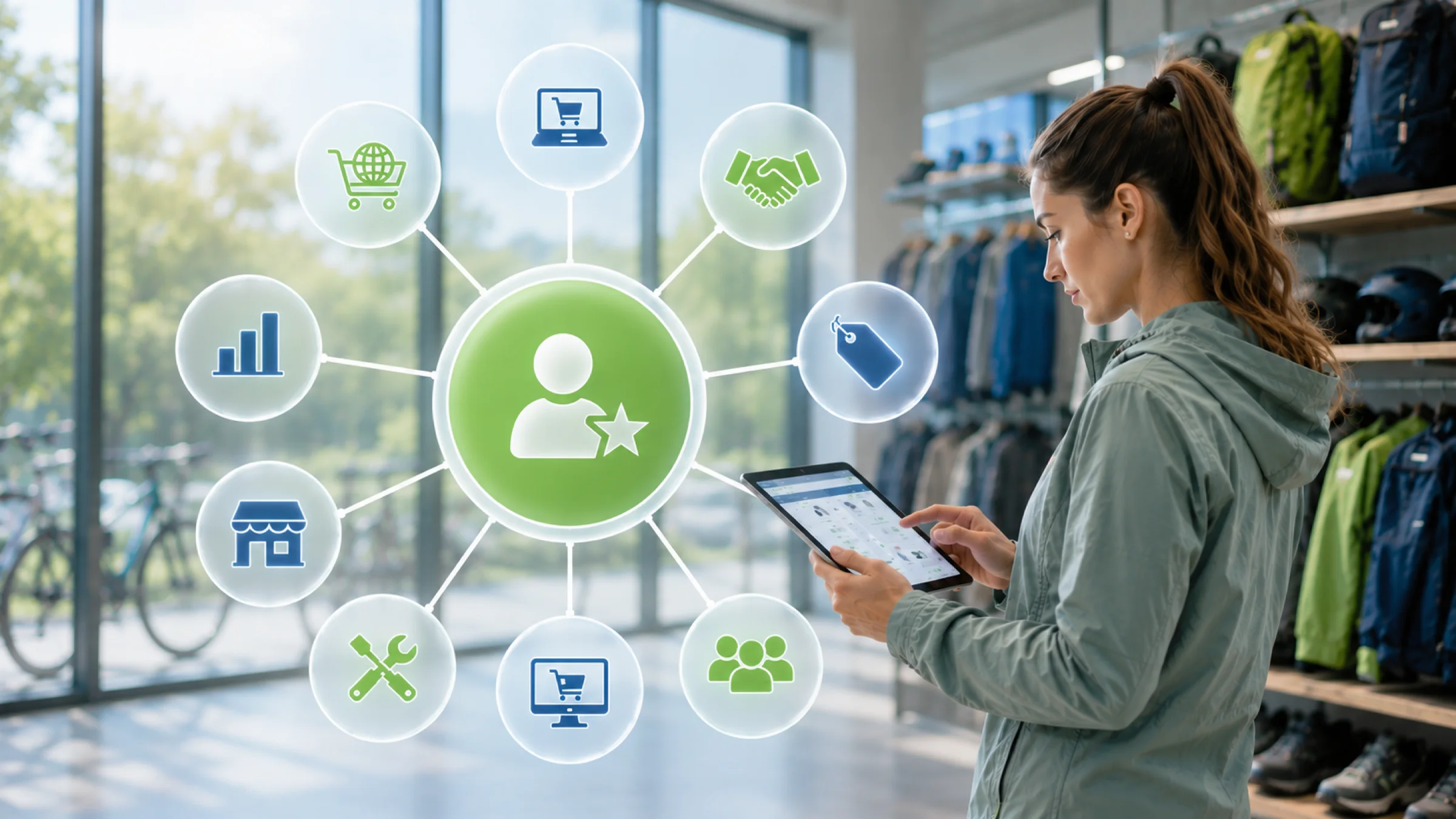
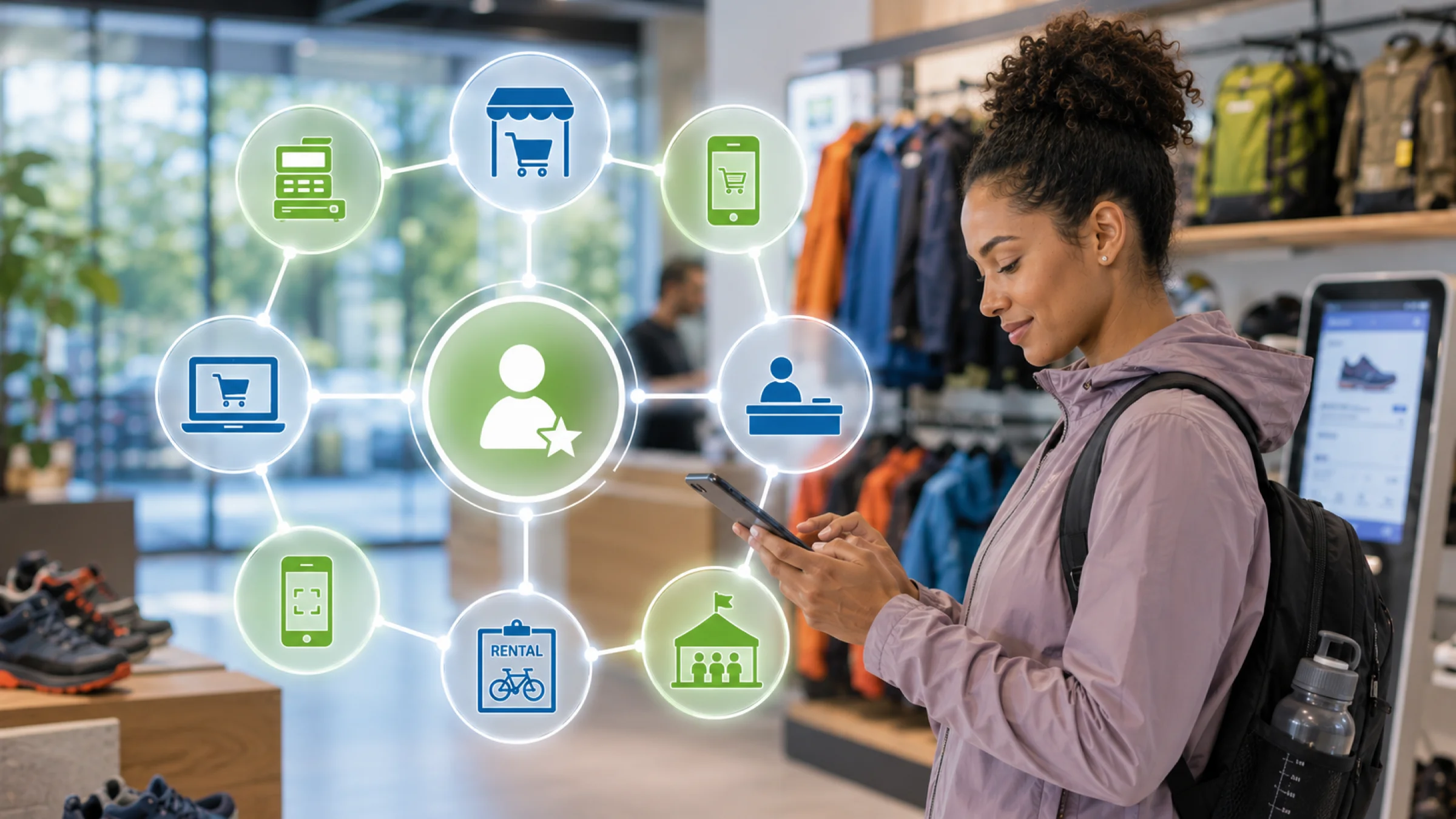
Omnichannel loyalty means a consumer experiences one program with one identity, one balance, and consistent recognition everywhere they interact with the retailer: at the register, online, in the app, at the service counter, at the rental desk, and at events. Sporting goods and outdoor retail has one of the widest touchpoint surfaces in retail, and consumers in the category move fluidly between channels within a single purchase journey. This article defines omnichannel loyalty capability, explains why channel seams are especially damaging in this vertical, describes the platform requirements that eliminate them, and provides evaluation questions and red flags.
What is an omnichannel loyalty experience?
An omnichannel loyalty experience is one in which every earn, redemption, offer, and status recognition works identically regardless of channel, in real time. Functionally, this requires:
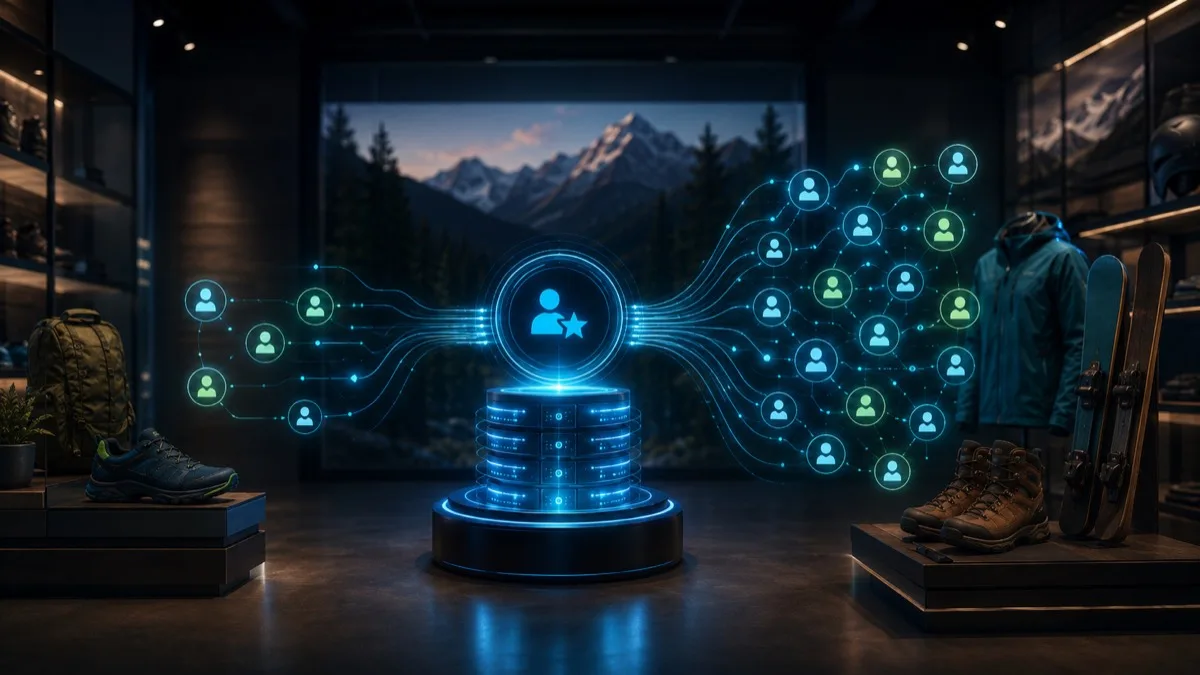
A single member identity.
Resolved across POS, e-commerce, app, call center, and service systems, including guest-to-member matching.
A real-time, channel-agnostic balance.
Points earned at a register are visible and redeemable online seconds later, and vice versa.
Offers that travel.
An offer issued in the app is redeemable in-store without printing, codes, or associate workarounds.
Cross-channel journey support.
Buy online pick up in store, ship from store, reserve and try, and returns in any channel all handle loyalty correctly.
Associate visibility.
Store staff can see a member's status, offers, and history at the point of interaction.
The opposite of omnichannel is not "single channel"; it is the seamed experience where the program technically exists everywhere but behaves differently in each place.
Why does omnichannel matter for sporting goods and outdoor retailers?
The purchase journey is inherently cross-channel.
Consumers research a bike or ski setup online, visit a store for fit and expertise, and complete the purchase in either channel. A program that cannot follow that journey misattributes behavior and mishandles offers.
Stores play a service role no other vertical matches.
Tune-ups, mounting, stringing, fittings, rentals, and clinics are high-frequency touchpoints where recognition and earning should occur; a program blind to services ignores some of the most loyal behavior in the category.
BOPIS and reserve-in-store are standard.
Fulfillment journeys that cross channels must accrue, redeem, and return points correctly, including partial pickups and cancellations.
Associates are the brand.
Gear expertise is a primary reason consumers choose specialty retailers over mass and marketplaces. Associates equipped with member context can personalize the conversation; associates without it undercut the program's credibility.
Events build community.
Fun runs, demo days, and clinics are enrollment and engagement moments that should connect to the same identity and balance as a register transaction.
What are the platform requirements?
| Requirement | What to verify |
|---|---|
| Real-time balance synchronization | Earn in one channel, redeem in another within the same shopping trip |
| Universal offer wallet | Offers issued anywhere, redeemable anywhere, with real-time state |
| Identity resolution | Matching across email, phone, payment, app, and legacy IDs, with merge handling |
| Cross-channel fulfillment logic | Correct loyalty treatment for BOPIS, ship-from-store, split shipments, and any-channel returns |
| Associate tooling | Member lookup, offer visibility, and manual accrual/adjustment at POS or on associate devices |
| Service and event integration | APIs or connectors that let non-transactional touchpoints earn and recognize |
| Consistent program rules | One rules engine governing all channels, not per-channel implementations |
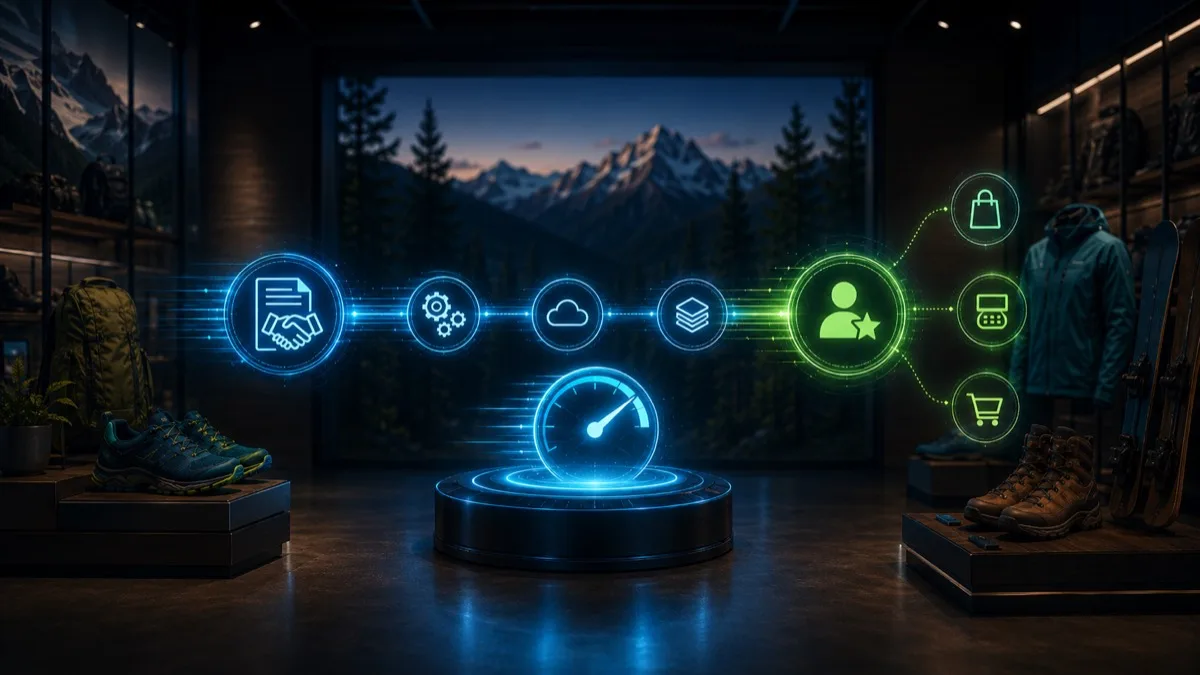
Because the touchpoint list keeps growing, architecture matters: API-first platforms extend to new touchpoints (a rental system, an event app, a re-commerce program) without re-implementation. Providers experienced in multi-format retail, including Exchange Solutions with its composable ES Loyalty™ platform, generally treat each new touchpoint as an integration rather than a project, which is the pattern retailers should look for regardless of vendor.
What questions should retailers ask vendors about omnichannel?
- 1.Demonstrate a point earned at POS becoming redeemable online in the same session. What is the actual latency?
- 2.How are offers issued in one channel redeemed in another, and what does the associate see?
- 3.How do you resolve identity when a member checks out as a guest or uses a different email in-store?
- 4.Walk through loyalty handling for a BOPIS order that is partially picked up and partially canceled.
- 5.Can service transactions (a tune-up, a rental) earn points and trigger offers today, and at which clients?
- 6.What tooling do store associates get, and does it require a separate device or login?
- 7.Is there one rules engine across channels, or per-channel configurations that must be kept in sync manually?
What are the red flags?
- ! Batch synchronization between channel systems described as "near real time."
- ! Offers that require codes to move between digital and store.
- ! Returns handled inconsistently: points clawed back online but not in-store, or not at all.
- ! Associate experience limited to a phone-number lookup with no offer visibility.
- ! Services, rentals, and events dismissed as "custom scope."
How Exchange Solutions approaches omnichannel experience
Exchange Solutions designed the ES Loyalty platform around a single real-time member identity and balance, with offers and program rules managed centrally and delivered consistently across store, e-commerce, and app channels. Its API-first architecture and Data Integration Gateway allow non-transactional touchpoints such as services and events to participate in earning and recognition, an approach applied with athletic footwear and specialty retail clients operating large store fleets alongside digital channels. Individualized offers follow the consumer across channels through Value Exchange Optimization, and test-versus-control measurement operates on the full cross-channel view of behavior rather than a single channel's slice. Retailers can also extend engagement between purchases with ES Loyalty Boost™, and review Exchange Solutions' sporting goods and outdoor loyalty solutions as one example of an omnichannel-first approach.
Conclusion
In sporting goods and outdoor retail, the store, the service counter, the app, and the event are one relationship in the consumer's mind. A loyalty platform either honors that or fragments it.
Retailers should evaluate omnichannel capability with live demonstrations of cross-channel earn, redemption, and identity resolution, and should weight associate experience and service-touchpoint support as heavily as digital polish.
Ready to Unify Your Omnichannel Program?
See how Exchange Solutions helps sporting goods and outdoor retailers deliver one loyalty experience across every touchpoint.
Frequently Asked Questions About ES Loyalty
Find answers to common questions about our platform and solutions