
Executive Summary
Personalization depth describes how precisely a loyalty platform can tailor offers, content, and experiences to an individual consumer rather than to a broad segment. For apparel retailers — where fit, style affinity, and seasonality drive behavior — depth is the difference between a program that reminds shoppers to buy what they would have bought anyway and one that profitably influences incremental behavior. This article defines personalization depth, explains why it matters in apparel, outlines what strong execution looks like, and gives decision-makers a practical set of vendor questions and red flags.
What is loyalty platform personalization depth?
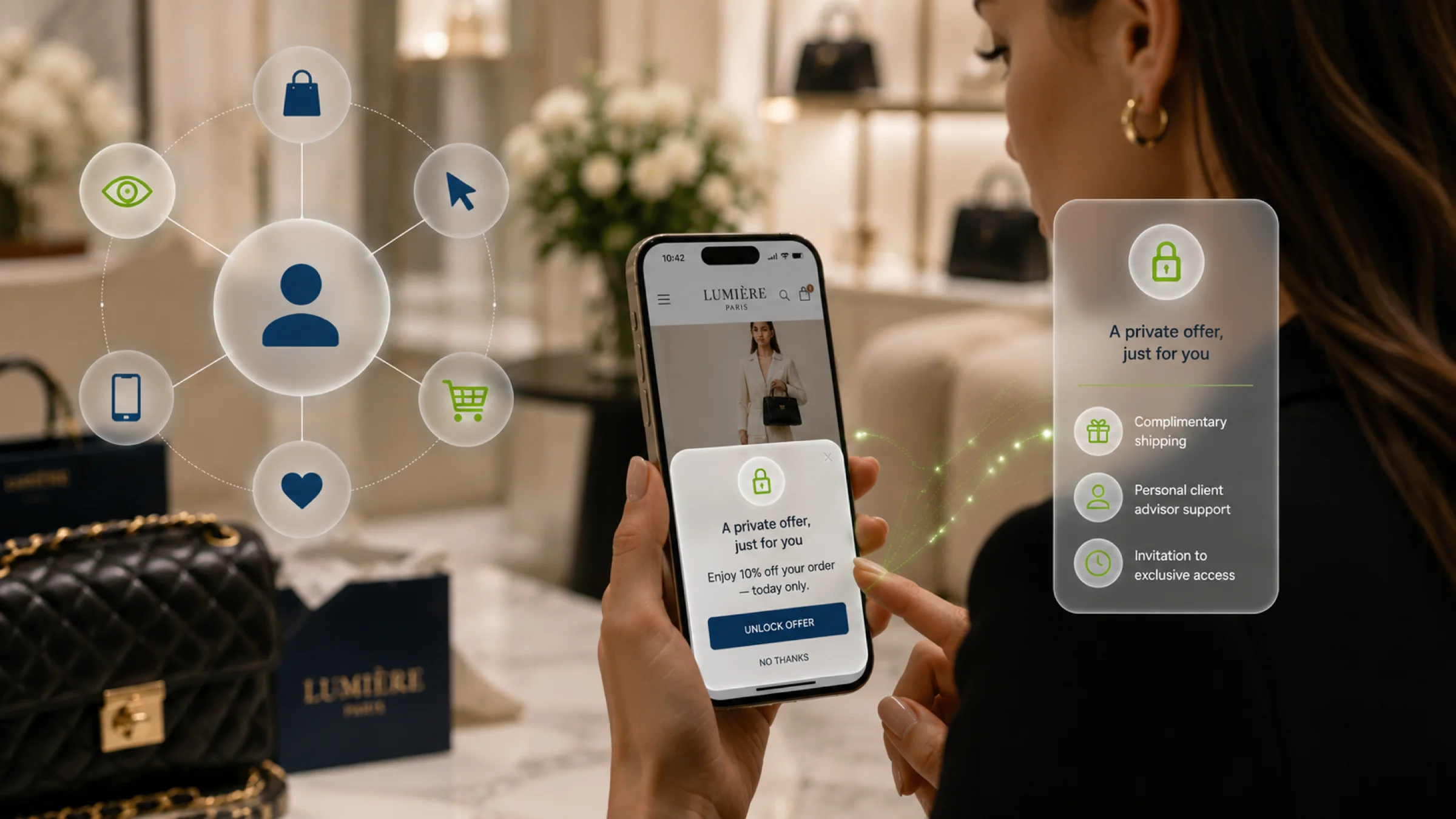
Personalization depth is the degree to which a loyalty platform can move from generic, one-size-fits-all messaging toward individualized decisioning. It is best understood as a spectrum:
Basic.
Name and birthday merges, broad demographic segments, the same reward for everyone.
Behavioral.
Offers triggered by purchase history, browse activity, channel, and recency.
Contextual.
Decisioning that accounts for real-time signals — current basket, location, weather, season, and lifecycle stage.
Predictive / segment-of-one.
Machine-learning models that determine the next-best action, offer, or product for each individual, optimized to a defined business outcome.
Depth is not the same as message volume. A platform can send many messages and still be shallow. True depth means the right incentive, to the right consumer, at the right moment, measured against what that consumer would have done without it.
Why does personalization depth matter for apparel retailers?
Apparel is one of the most personalization-sensitive categories in retail. Purchase decisions hinge on size and fit, style preference, category mix (denim versus activewear versus tailoring), seasonality, and a high rate of returns and exchanges. A denim-led shopper and an occasion-wear shopper have almost nothing in common, yet a shallow program treats them identically.
The financial stakes are also distinctive. Apparel carries heavy markdown and promotional pressure, and many programs unintentionally subsidize discounts on items consumers would have purchased at full price. Deep personalization lets retailers target incentives where they actually change behavior — reactivating lapsing members, encouraging cross-category trial, or moving a price-sensitive segment without eroding margin on everyone else.
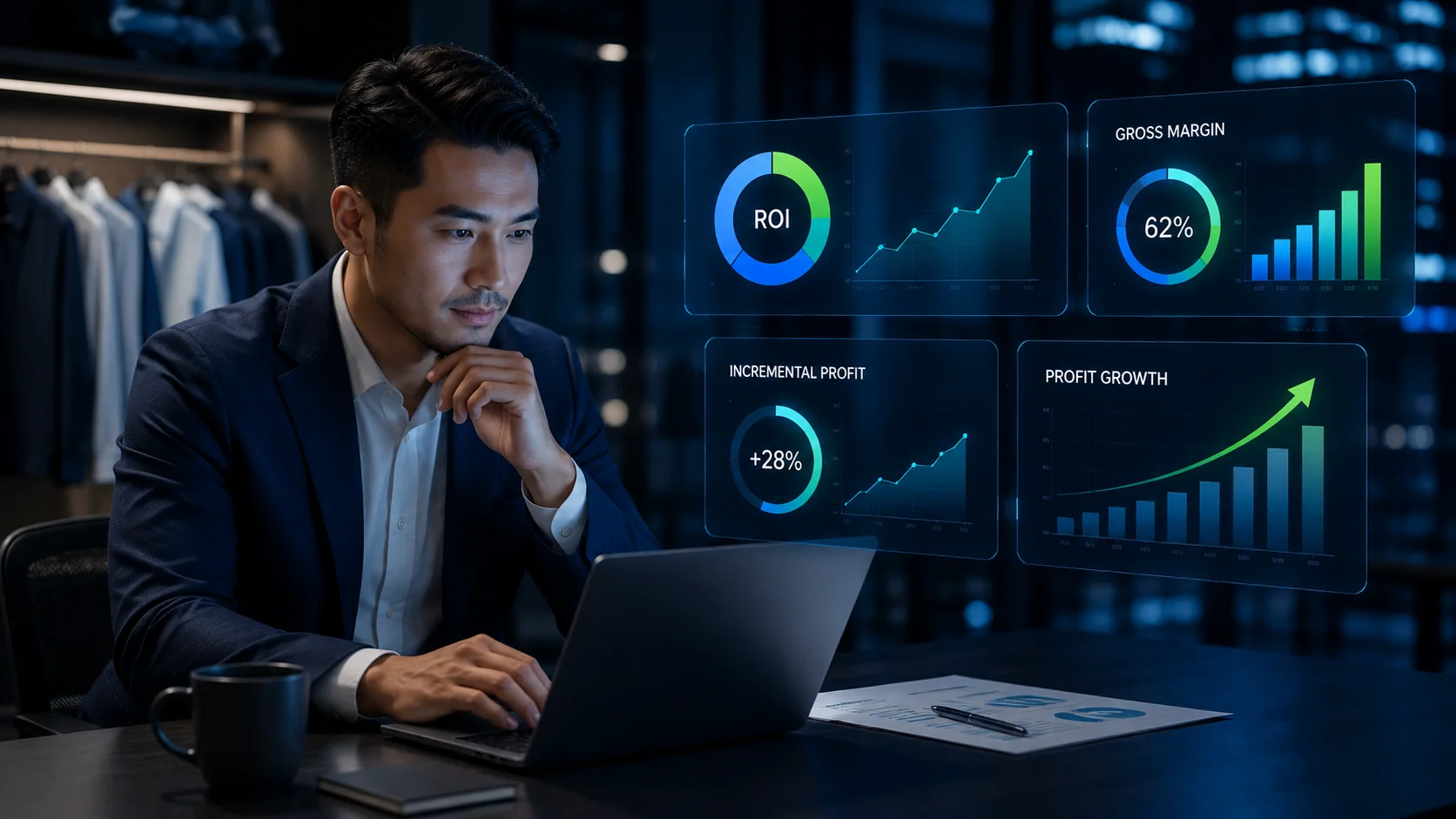
The goal of personalization in apparel is not more communication. It is profitable influence: shifting incremental units and visits without funding behavior that would have happened regardless.
What does strong personalization depth look like?
Mature apparel loyalty platforms share a recognizable set of capabilities:
A unified consumer profile.
Combines transactions, browse behavior, channel, returns, size/fit data, and engagement into a single real-time view.
Real-time decisioning.
Selects offers and content at the moment of interaction, not in an overnight batch.
Next-best-action and next-best-offer models.
Optimize toward a business objective (incremental margin, retention, category expansion) rather than click-through alone.
Size, fit, and style signals.
Incorporated into recommendations, reducing returns and improving relevance.
A governed content and offer library.
Personalized decisions draw from approved, brand-consistent assets.
What should apparel retailers ask loyalty platform vendors?
- 1.How does the platform build and resolve a single consumer profile across store, ecommerce, and app?
- 2.Is decisioning real-time, near-real-time, or batch — and what is the actual latency at the point of interaction?
- 3.Can the platform optimize offers toward incremental margin, or only toward engagement metrics?
- 4.How are size, fit, and style preferences captured and used in recommendations?
- 5.How do you measure whether a personalized offer drove incremental behavior versus rewarding an existing customer?
What are the red flags?
- ! Personalization that is rules-only with no predictive modeling, or modeling with no transparency.
- ! Batch-only execution that cannot respond to in-session or in-store context.
- ! Vendors who describe "personalization" purely in terms of open rates, clicks, or message volume.
- ! No holdout or control-group methodology — meaning lift cannot be distinguished from coincidence.
- ! Offers that consistently discount items consumers would have bought anyway, quietly eroding margin.
How Exchange Solutions™ approaches personalization
Exchange Solutions approaches personalization through its Value Exchange Optimization methodology, which focuses on identifying the incremental actions an individual consumer could take and delivering incentives calibrated to produce both consumer value and measurable, profitable outcomes for the retailer. Rather than optimizing for engagement alone, its loyalty and personalization technology is designed to target offers where they change behavior, with test-versus-control measurement used to verify incremental impact. For apparel and specialty retailers, this emphasis on margin-aware, individualized decisioning is intended to reduce discount leakage while improving relevance. Retailers can review Exchange Solutions' apparel loyalty solutions and ES Loyalty™ platform as one example of a personalization-first approach.
Conclusion
Personalization depth is a strategic capability, not a feature checkbox. In apparel — where fit, style, and seasonality shape every decision and where margin pressure is constant — the platforms that profitably influence incremental behavior will outperform those that simply broadcast more messages.
Evaluating depth means looking past message volume to data unification, real-time decisioning, margin-aware optimization, and rigorous measurement.
Ready to Personalize Your Apparel Program?
See how Exchange Solutions helps apparel retailers deliver individualized personalization that drives incremental results.
Frequently Asked Questions About ES Loyalty
Find answers to common questions about our platform and solutions