Loyalty platforms are evolving because customer expectations have changed
For years, retailers evaluated loyalty platforms primarily on program functionality: points, rewards, promotions, campaign management, and customer loyalty program operations.
Those capabilities still matter. In fact, a strong enterprise loyalty platform remains critical for retention, purchase frequency, customer lifetime value, and long-term customer engagement.
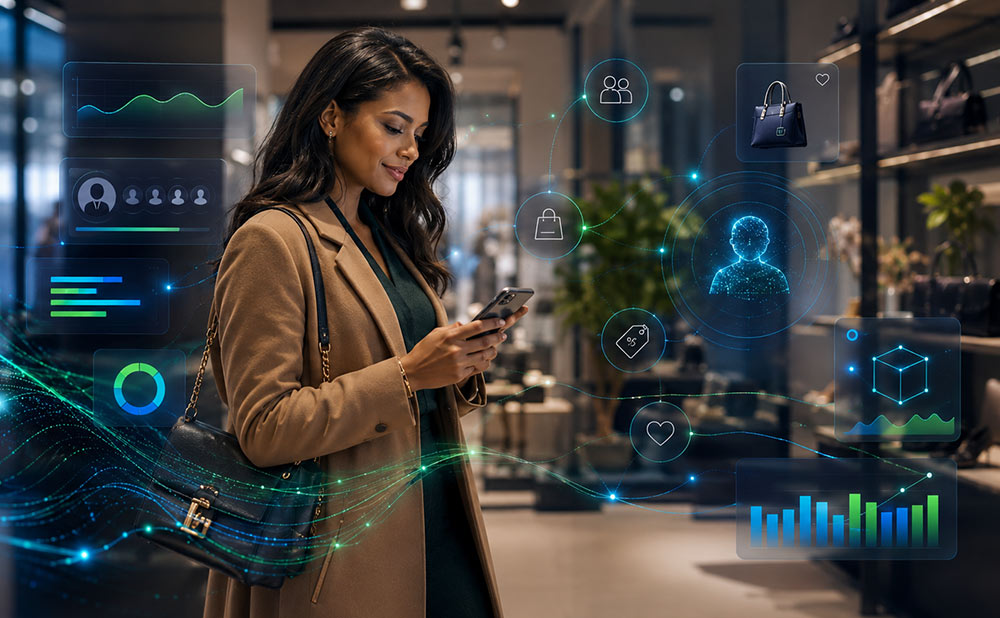
But customer expectations have evolved faster than many traditional loyalty management platforms. Today's shoppers expect personalized experiences immediately, relevant engagement before login, connected experiences across channels, and real-time responsiveness throughout the customer journey.
As a result, retailers are increasingly rethinking what a modern loyalty ecosystem should actually do. The conversation is no longer simply, "Do we have a loyalty program?" It is, "Can our loyalty platform actively influence customer behavior in ways that are measurable, profitable, and relevant?"
What retailers often get wrong about loyalty modernization
Many retailers invest heavily in loyalty solutions while still operating disconnected customer experiences. Common symptoms include:
- Heavy dependence on discounts to motivate engagement or purchase behavior.
- Static audience segmentation that does not reflect current shopping intent.
- Personalized engagement limited mostly to identified loyalty members.
- Delayed campaign execution that reaches the customer after the purchase decision has already happened.
- Minimal personalization for anonymous website visitors, even when they show strong intent signals.
The result is a loyalty strategy that may look active on the surface but still struggles to influence the moments that matter most. Margin pressure increases. Customer engagement becomes reactive. Anonymous traffic remains underutilized. Loyalty programs risk rewarding behavior that may have happened anyway.
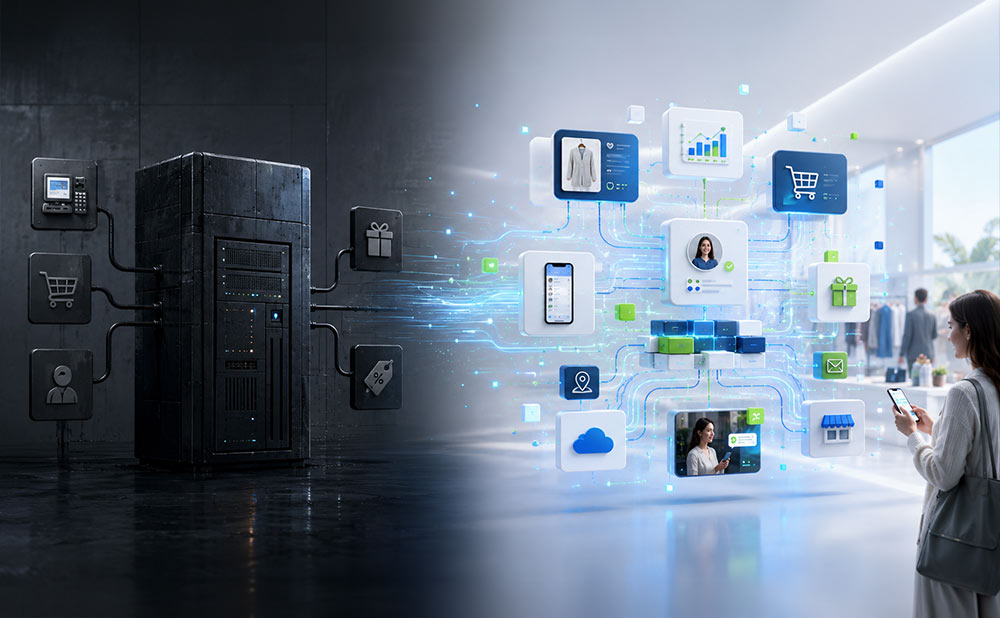
One of the biggest misconceptions in retail loyalty technology is that modernization means replacing loyalty programs entirely. It does not. Leading retailers are modernizing their customer loyalty ecosystems by extending loyalty influence earlier into the customer journey.
Why customer loyalty platforms still matter deeply
Strong retail loyalty platforms continue to create enormous strategic value. They help retailers build customer identity, deepen relationships, understand purchase patterns, and improve retention economics over time.
But loyalty data alone is no longer enough. Retailers increasingly need loyalty software capable of responding to behavioral signals, supporting real-time personalization, influencing decisions during active shopping sessions, and connecting customer loyalty strategy with live engagement.
This is where modern engagement capabilities become strategically important. A retailer's core loyalty platform should remain the foundation. Solutions such as ES Engage™ can then extend loyalty principles into high-intent shopping moments where real-time offer treatment and anonymous visitor engagement can create additional value.
The evolution of the modern loyalty technology stack
1. Loyalty foundation layer
The foundation remains the core customer loyalty platform: customer profiles, rewards management, loyalty program administration, customer lifecycle engagement, loyalty analytics, and member value strategy. This is the strategic center of gravity for long-term customer loyalty across retail industries.
2. Customer engagement and real-time personalization layer
This layer helps retailers extend loyalty principles earlier into the customer journey through real-time personalization, behavioral triggers, session-aware engagement, offer optimization, and anonymous traffic personalization.
Instead of waiting for login or identification, retailers can begin influencing customer behavior while the shopper is actively deciding what to do next. This helps bridge the gap between customer acquisition and long-term loyalty participation.
3. Intelligence and optimization layer
Leading retailers are increasingly improving how customer engagement decisions are optimized through incrementality measurement, revenue and margin balancing, behavioral intelligence, continuous experimentation, and AI-assisted decision support.
This is where customer loyalty evolves from campaign management into active behavioral influence. The goal is not simply to communicate more often. The goal is to make better decisions about when, how, and why to engage customers.
What most loyalty vendors will not tell you
Many customer loyalty platforms still define personalization using static segmentation and scheduled campaigns. But customer intent changes rapidly: session-to-session, visit-to-visit, and product-to-product.
A customer actively comparing products during a live shopping session behaves differently than a loyalty member casually opening an email campaign days later. Treating both interactions the same often creates disconnected customer experiences.
Another challenge is that many loyalty management platforms still struggle to engage anonymous website visitors effectively. Retailers spend heavily acquiring traffic through paid media, SEO, digital advertising, and social campaigns, only to personalize experiences for a relatively small percentage of identified users.
That leaves meaningful conversion, customer engagement, and loyalty-building opportunities untapped.
What leading retailers are doing differently
Retailers building stronger loyalty performance are increasingly:
- Connecting customer loyalty data with behavioral intelligence.
- Using real-time personalization during active shopping sessions.
- Reducing dependence on blanket discounting.
- Extending customer engagement beyond logged-in experiences.
- Personalizing experiences for both anonymous and identified visitors.
- Optimizing for profitability, not just campaign engagement.
Importantly, they are not abandoning loyalty strategy. They are modernizing how loyalty principles activate across the full customer journey.
Questions retailers should ask loyalty platform vendors
Can the loyalty platform influence customer behavior during the shopping session, or does engagement happen after the decision window closes?
Does the platform support anonymous website visitor engagement, and can customer value be introduced before identification?
How does the platform support real-time personalization and offer optimization, or does it rely primarily on static segmentation?
How does the platform balance customer engagement with profitability, or does it depend heavily on discounting?
How is incrementality measured? Can the retailer prove behavioral impact and customer value creation?
Final takeaway
Customer loyalty platforms remain one of retail's most important strategic investments. But modern customer loyalty expectations require more than points and promotions alone.
Retailers increasingly need loyalty ecosystems capable of building long-term customer value, supporting real-time personalization, engaging anonymous website visitors, influencing customer behavior during active sessions, and extending loyalty influence beyond identified members.
The future of retail loyalty is not replacing traditional loyalty foundations. It is making customer loyalty platforms more intelligent, responsive, and commercially effective across the entire customer journey.
Ready to Modernize Your Loyalty Platform?
See how Exchange Solutions helps retailers build adaptive, connected loyalty ecosystems.
Exchange Solutions
May 2026 • 12 min read