
Discover how neuroscience-backed loyalty strategies can drive emotional connection, increase member retention, and maximize customer lifetime value.
Executive Summary
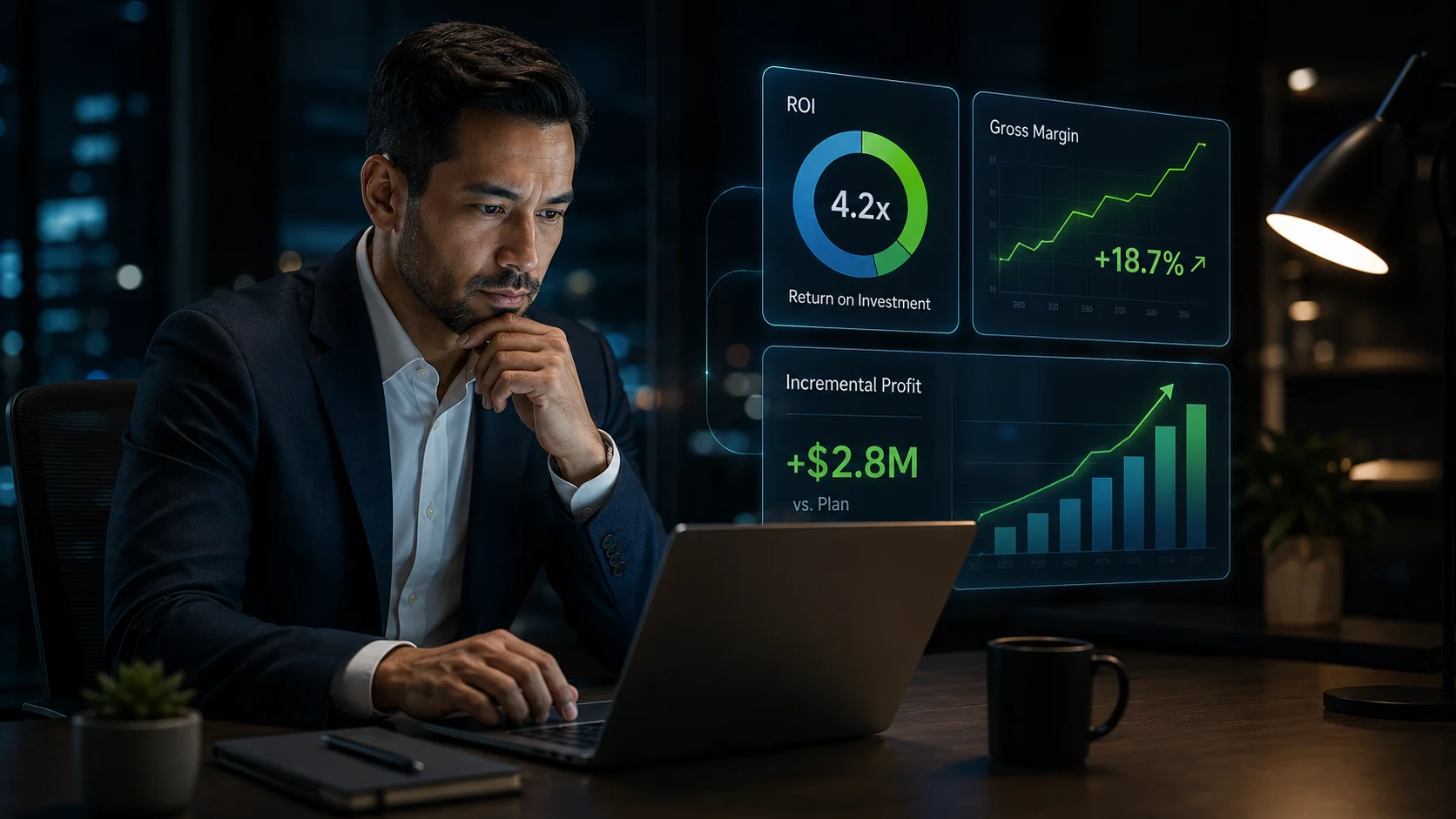
As loyalty programs proliferate, brands must tap into the neuroscience of decision-making to stand out. By leveraging AI-powered personalization and brain chemistry insights, companies can boost emotional engagement and increase retention rates by 15-25%, driving significant ROI.[1]
Imagine walking into your favorite coffee shop. The barista greets you by name, asks if you'd like "the usual," and offers a personalized reward that feels tailor-made for your preferences. This isn't just good service—it's neuroscience in action, triggering a cascade of feel-good chemicals in your brain that cement your loyalty to the brand.
The Neuroscience of Loyalty: Why Your Brain Craves Personalized Experiences
At its core, customer loyalty is driven by brain chemistry. When we experience personalized, rewarding interactions with a brand, our brains release a potent cocktail of neurotransmitters—dopamine, oxytocin, serotonin, and endorphins—often referred to as the DOSE framework.[2] These chemicals create feelings of pleasure, trust, and emotional attachment that keep customers coming back.
Dopamine, the "reward" chemical, is released when we anticipate and receive rewards. This is why variable reward schedules—where the timing and nature of rewards are unpredictable—are so effective in driving engagement. Starbucks masterfully leverages this principle with its "Bonus Star Bingo" challenges, where members can earn extra rewards through gamified, time-limited tasks.
Oxytocin, often called the "trust hormone," is activated through personal connections and a sense of belonging. Loyalty programs that foster community and provide personalized communication tap into this powerful motivator. Sephora's Beauty Insider community, for example, allows members to connect, share tips, and feel part of an exclusive group, strengthening emotional bonds with the brand.
Key Neurotransmitters in Loyalty
- Dopamine: Drives reward-seeking behavior and engagement
- Oxytocin: Fosters trust and emotional connection
- Serotonin: Influences mood and feelings of satisfaction
- Endorphins: Create a sense of euphoria and positive association
Leveraging AI for Hyper-Personalized Loyalty Experiences
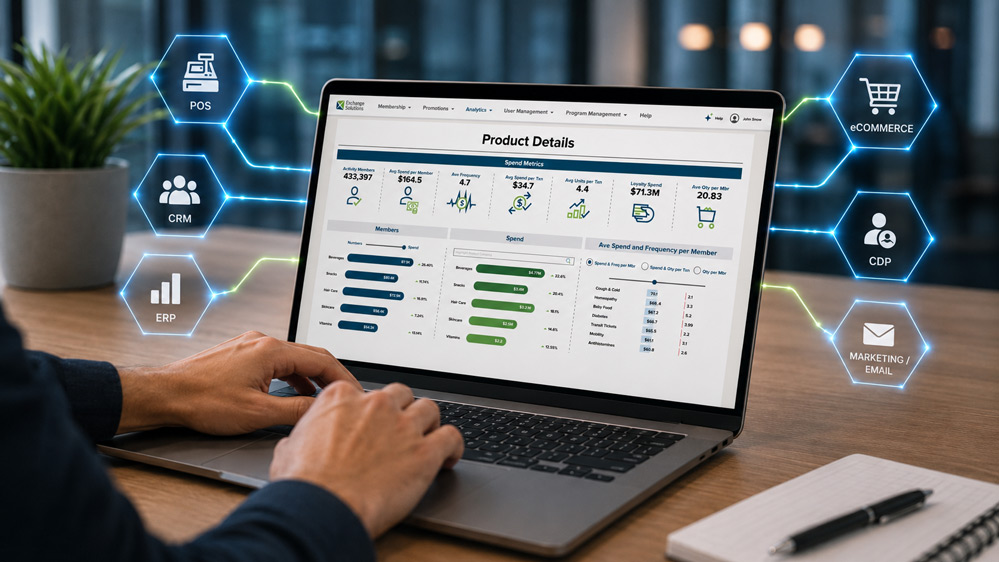
The key to unlocking these powerful neurochemical responses lies in delivering truly personalized experiences at scale. This is where AI-powered loyalty solutions come into play. By analyzing vast amounts of customer data—purchase history, browsing behavior, location data, and more—AI can predict individual preferences and deliver tailored rewards and experiences that resonate on a deeply personal level.
Target's Circle rewards program exemplifies this approach. By unifying customer data across channels and leveraging AI for real-time personalization, Target has increased basket size by 18% among loyalty members.[3] The program uses predictive analytics to offer personalized deals, recommend products, and even determine the optimal time to send offers based on individual shopping patterns.
The Exchange Solutions Advantage
Our AI-powered personalization engine goes beyond simple segmentation, analyzing real-time behavior patterns to deliver hyper-relevant rewards and experiences. By tapping into the neuroscience of decision-making, we help brands create emotional connections that drive long-term loyalty and measurable ROI.
The Endowment Effect: Making Loyalty Feel Valuable
One powerful psychological principle that savvy loyalty programs leverage is the endowment effect. This cognitive bias causes people to place a higher value on things they already own. In the context of loyalty programs, this means making members feel a sense of ownership over their points, status, or exclusive benefits.
Airlines have long capitalized on this effect with tiered status levels. Once a traveler achieves "Gold" or "Platinum" status, they become highly motivated to maintain it, even if it means booking additional flights. This isn't just about the tangible perks—it's about the psychological ownership of that status and the fear of losing something they've "earned."
To harness the endowment effect in your loyalty strategy, consider these tactics:
Maximizing the Endowment Effect
- Early Wins: Provide quick, achievable rewards to create immediate value
- Personalized Goals: Set tailored milestones based on individual behavior
- Progress Visualization: Show members how close they are to next tier/reward
- Loss Aversion: Frame benefits in terms of what members could lose
The Power of Variable Rewards: Keeping Dopamine Flowing
While consistency is important in loyalty programs, introducing an element of variability in rewards can significantly boost engagement. This taps into the brain's dopamine-driven reward system, creating a sense of anticipation and excitement similar to what keeps people engaged with games of chance.
Starbucks has mastered this approach with its "Bonus Star Bingo" and surprise "Double Star Days." These unpredictable opportunities for extra rewards keep members checking the app regularly and drive incremental purchases. The key is balancing predictability (members know they'll earn stars on purchases) with variability (surprise bonuses and challenges).
To implement variable rewards effectively:
- Maintain a base level of predictable rewards to establish trust
- Introduce surprise bonuses or limited-time offers to create excitement
- Use AI to personalize the timing and nature of variable rewards based on individual member behavior
- Gamify the experience with challenges or "mystery" rewards to boost engagement
Balancing Act: Predictability vs. Variability
While variable rewards are powerful, they must be balanced with a foundation of consistent, predictable benefits. Too much variability can lead to frustration, while too little fails to capitalize on the dopamine-driven engagement loop. The ideal loyalty program finds the sweet spot between these two extremes, leveraging AI to personalize the balance for each member.
Measuring Success: Neuroscience-Driven Loyalty Metrics
To truly gauge the effectiveness of your neuroscience-driven loyalty strategy, you need to look beyond traditional metrics like enrollment numbers and points redeemed. While these are important, they don't capture the emotional engagement that drives long-term loyalty.
Consider incorporating these neuroscience-informed KPIs into your loyalty analytics:
- Emotional Engagement Score: Measure sentiment through surveys, social listening, and interaction analysis
- Behavioral Consistency Index: Track the regularity of member interactions and purchases over time
- Surprise and Delight Effectiveness: Measure the impact of unexpected rewards on subsequent engagement
- Community Participation Rate: Gauge member involvement in brand communities or forums
- Personalization Responsiveness: Analyze how members react to tailored offers and communications
By focusing on these deeper engagement metrics, brands can gain a more holistic view of their loyalty program's effectiveness in creating lasting emotional connections with members.
The Future of Loyalty: Neuroscience-Driven Personalization
As we look ahead, the most successful loyalty programs will be those that seamlessly blend neuroscience insights with advanced AI capabilities to create deeply personalized, emotionally resonant experiences. By tapping into the brain's reward systems and leveraging the power of variable rewards, the endowment effect, and hyper-personalization, brands can forge lasting connections that drive measurable business results.
The future of loyalty isn't just about points and perks—it's about creating a neurochemical affinity between customer and brand. Those who master this science of engagement will not only see improved retention rates and customer lifetime value but will also build a loyal customer base that becomes a powerful competitive advantage in an increasingly crowded marketplace.