
Most eCommerce brands treat post-purchase as operations. Leading retailers use delivery tracking, unboxing, and real-time triggers to drive loyalty enrollment and repeat purchases.
Executive Summary
eCommerce brands invest heavily in acquisition and conversion but treat the post-purchase window—from order confirmation through delivery and unboxing—as purely operational. This represents a critical missed opportunity: customers are most engaged during delivery anticipation, yet most loyalty programs remain dormant until the next purchase cycle.
Your customer just completed checkout. They're excited, anticipating delivery, checking tracking updates multiple times daily. For the next 3-7 days, they'll be more receptive to your communications than at almost any other point in their journey. Yet most eCommerce brands send a generic shipping confirmation and go silent until the next promotional campaign. Meanwhile, the unboxing moment—that critical first physical interaction with your brand—passes without any connection to your loyalty program, app, or digital ecosystem.
The Structural Challenge: Technology Silos Block Engagement
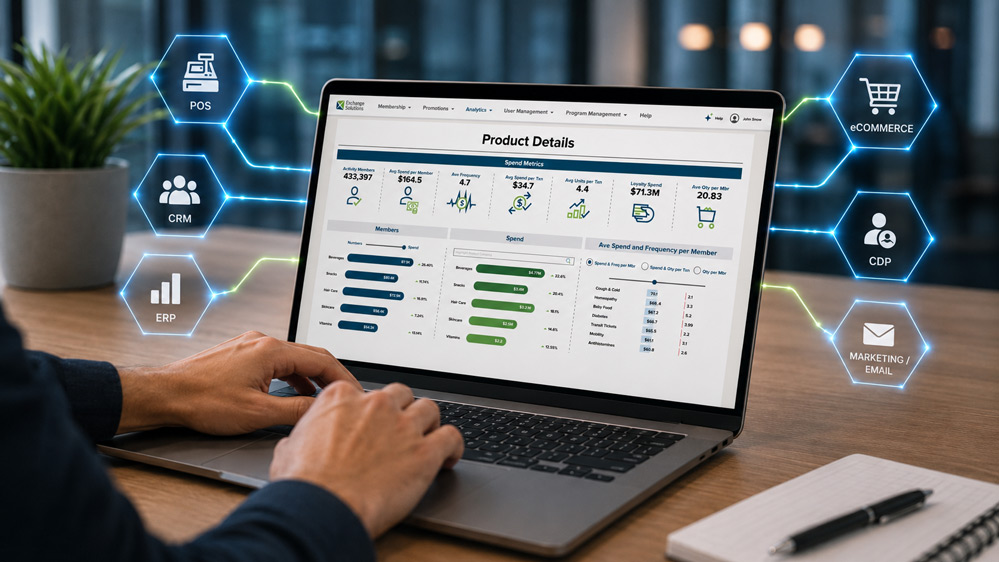
The post-purchase engagement gap isn't a strategy problem—it's an architecture problem. eCommerce brands operate with fragmented technology stacks where order management systems, fulfillment platforms, shipping carriers, and marketing automation tools exist in separate silos. When an order ships, that event lives in your logistics system. When it's delivered, that confirmation sits in carrier data. Your loyalty platform and email service provider typically receive this information hours or days later through overnight batch processing—long after the optimal engagement moment has passed.
This structural disconnect makes it nearly impossible to execute sophisticated post-purchase engagement tactics. You can't send a delivery-day promotion if your marketing system doesn't know the package arrived until tomorrow. You can't award bonus points for tracking your order in the mobile app if your loyalty platform can't consume real-time shipping events. The result: brands default to generic, time-based email sequences ("It's been 7 days since you ordered...") rather than contextual, event-driven engagement tied to what's actually happening with the customer's order.
Leading retailers are solving this through event-driven architectures that integrate order status changes directly into loyalty and marketing systems. When Sephora's Beauty Insider program sends you a delivery-day offer, it's not coincidental timing—it's a webhook from the shipping system triggering an automated loyalty workflow. Target's Circle program connects order tracking directly to personalized recommendations for complementary products, maintaining engagement throughout the anticipation window rather than treating it as dead time.
Seven Critical Trigger Points From Purchase to Repeat
The post-purchase journey contains multiple high-value moments where automated loyalty actions can drive measurable behavior change. Each represents a distinct psychological state and engagement opportunity:
Post-Purchase Behavioral Triggers
- Order Confirmation (T+0 minutes): Loyalty enrollment prompt for non-members, immediate points accrual notification for members, complementary product recommendations with exclusive discounts
- Shipment Notification (T+1-2 days): Branded tracking page with loyalty context, mobile app download incentive with bonus points, anticipation-building product content
- Out for Delivery (T+3-7 days): Time-sensitive delivery-day promotion (2X points on next purchase today only), first-use reward setup, unboxing engagement prompts
- Delivery Confirmation (T+3-7 days): Immediate bonus points deposit as thank-you gesture, product setup assistance with loyalty rewards, review request with tiered point incentives
- Unboxing Moment (T+3-7 days): QR codes on packaging linking to exclusive member offers, unboxing bonus points for social sharing, complementary product bundles for recent purchasers
- First Use Milestone (T+7-14 days): Product-specific engagement rewards (complete setup, earn points), usage tips with embedded offers, referral program introduction with point incentives
- Replenishment Window (T+30-60 days): Predictive replenishment reminders with loyalty bonuses, category cross-sell based on initial purchase, win-back campaigns for non-engaged customers
Each trigger requires specific technical capabilities. The order confirmation moment needs real-time points calculation and balance updates. The out-for-delivery alert demands integration with carrier tracking APIs and time-sensitive offer expiration logic. The unboxing QR code requires unique customer identification and instant offer evaluation when scanned. Traditional batch-processed systems simply cannot execute these workflows with the required speed and precision.
The opportunity extends beyond individual tactics to orchestrated sequences. A first-time buyer might receive an aggressive second-purchase incentive timed to delivery, while a loyal customer gets VIP early access to new products. A price-sensitive segment sees larger percentage discounts on complementary items, while premium customers receive experiential rewards. This level of personalization requires AI-powered decisioning that evaluates customer context, purchase history, segment characteristics, and real-time behavior to determine optimal offers at each trigger point.
Unboxing as Digital Loyalty Bridge
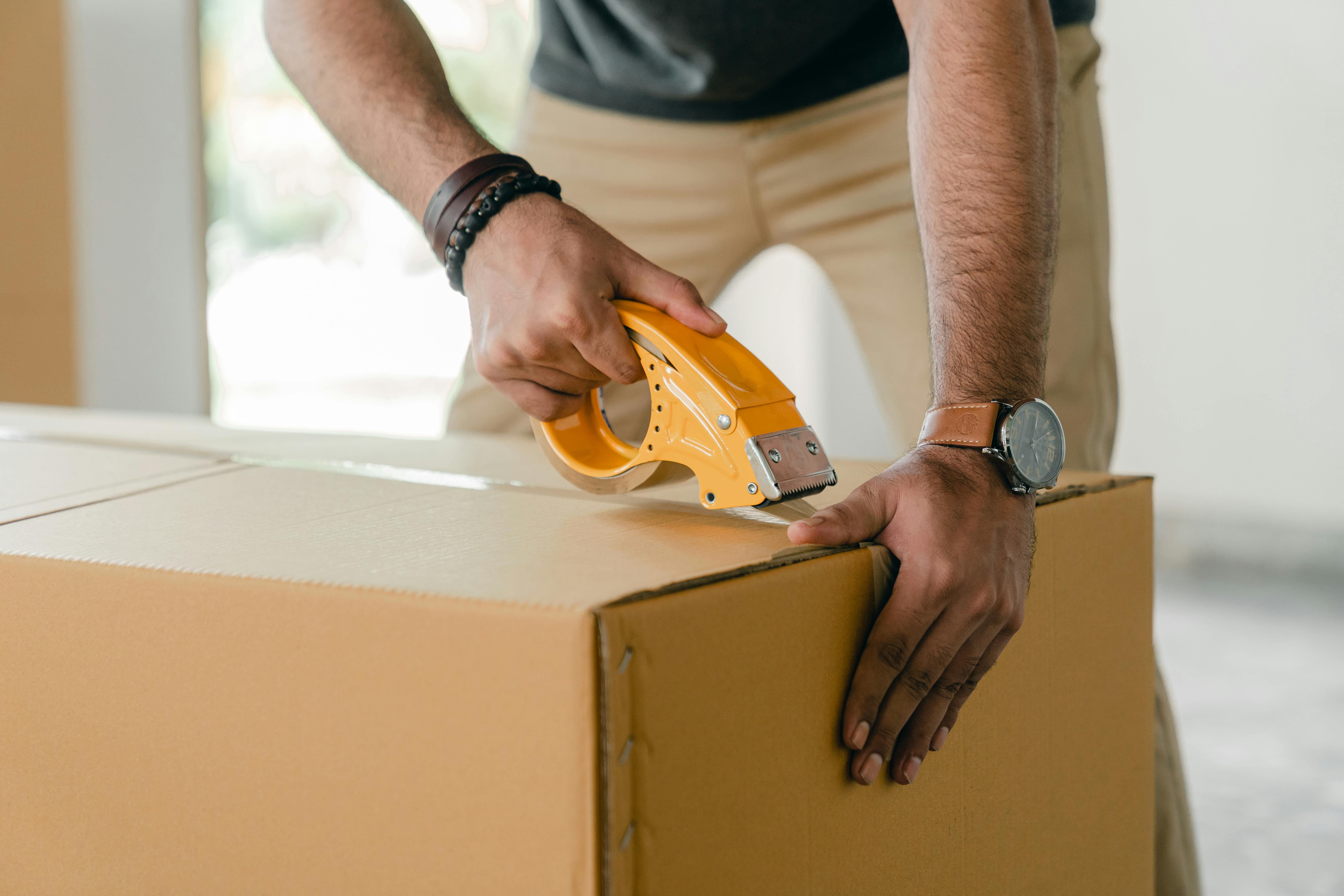
The physical unboxing moment represents the convergence of product experience and digital engagement potential. Yet most brands treat packaging as purely protective rather than strategic. Leading retailers are transforming boxes and inserts into loyalty enrollment drivers, app download catalysts, and second-purchase accelerators.
QR codes on packaging inserts create seamless bridges from physical product receipt to digital loyalty experiences. When designed effectively, these codes can identify the specific customer (through order data embedded in the unique QR URL), evaluate their loyalty status and purchase history, and instantly present personalized offers or rewards. Starbucks pioneered this physical-to-digital connection in-store; the principle applies equally to eCommerce unboxing. Scan a code, earn 500 bonus points, and receive a complementary product recommendation based on what you just unboxed.
The key is making the digital payoff immediate and valuable. Generic QR codes that simply link to your homepage waste the moment. Effective implementations provide instant gratification: "You've earned 500 bonus points—and here's an exclusive 20% offer on [complementary product] available only to customers who purchased [primary product]." This requires backend systems that can consume the QR scan event, identify the customer, evaluate their profile, and trigger appropriate loyalty actions in real-time—not hours later through batch processing.
The Enrollment Timing Advantage
Post-purchase loyalty enrollment often outperforms checkout enrollment. Customers who've successfully received their order are in a positive emotional state, more receptive to program benefits, and less concerned about transaction friction. The unboxing moment offers a natural enrollment opportunity without the conversion rate concerns that prevent mandatory checkout enrollment.
From Engagement Metrics to Incremental Revenue
The post-purchase engagement conversation too often focuses on activity metrics—email open rates, QR code scans, review submissions—without connecting these activities to actual business outcomes. The critical question isn't whether customers engage with post-purchase communications; it's whether that engagement drives incremental behavior they wouldn't have demonstrated otherwise.
Sophisticated measurement requires isolating the effect of post-purchase loyalty tactics from natural customer behavior. Some customers will repurchase regardless of delivery-day promotions or unboxing bonuses—rewarding them is costly but not incrementally valuable. The goal is identifying customers who need incentives to accelerate their next purchase, increase basket size, or try new categories. This demands predictive modeling that evaluates purchase history, browsing patterns, engagement signals, and segment characteristics to determine who receives which offers.
AI-powered optimization transforms post-purchase engagement from generic campaigns to precision instruments. Machine learning models can predict optimal offer types, discount depths, and timing for individual customers. They identify customers at risk of becoming one-time buyers and apply appropriate retention incentives. They detect price sensitivity patterns and calibrate promotional intensity accordingly. Most importantly, they continuously learn from results, improving targeting accuracy and incrementality over time. This shifts the conversation from "we sent 50,000 delivery-day promotions" to "we drove 8% repeat purchase lift and $340,000 incremental revenue with 23% ROI on promotional spend."
The Exchange Solutions Advantage
ES Loyalty's event-driven architecture consumes real-time order and shipping events via webhooks and APIs, enabling immediate loyalty actions when orders ship, deliver, or encounter exceptions—no overnight batch delays. ES Loyalty Boost applies AI-powered predictive models to determine optimal post-purchase offers for each customer, targeting incremental behavior rather than rewarding natural actions. The unified member database ensures consistent experiences across order tracking, mobile app, email, and in-store touchpoints.
For brands with existing platforms, ES Promo Enhance layers sophisticated post-purchase promotional capabilities onto current systems with 90-day deployment—no rip-and-replace required. This modular approach lets you activate delivery-day promotions, unboxing rewards, and review incentives immediately while proving ROI before larger platform decisions.
Implementation Roadmap: Activating Post-Purchase Revenue
Transforming post-purchase from operational necessity to revenue driver requires both strategic vision and tactical execution. Start by mapping your current customer experience from order confirmation through second purchase. Identify where engagement drops off, where customers contact support with "where is my order" inquiries, and where natural repurchase cycles exist. These friction points and opportunity windows become your initial automation targets.
Technical integration comes next. Your loyalty platform needs real-time connections to order management systems, shipping carriers, and customer service tools. Event-driven architectures with webhook capabilities eliminate batch processing delays and enable immediate trigger responses. API-first platforms integrate more readily with eCommerce systems like Shopify, BigCommerce, and Adobe Commerce, reducing implementation complexity from months to weeks.
Begin with high-impact, lower-complexity tactics: delivery confirmation bonus points, branded tracking pages with loyalty context, and QR codes on packaging inserts. These establish the technical foundation and demonstrate quick wins. Then layer in sophisticated personalization—delivery-day promotions optimized by customer segment, AI-powered review incentive calibration, predictive replenishment campaigns. Finally, implement comprehensive measurement frameworks with control groups, incrementality testing, and clear attribution connecting post-purchase activities to repeat purchase behavior and lifetime value expansion.
Reclaiming the Post-Purchase Window
The period between purchase and delivery isn't dead time—it's high-value engagement territory that most brands leave uncontested. While competitors send generic shipping confirmations and go silent, you can build anticipation, drive loyalty enrollment, facilitate seamless unboxing experiences, and accelerate second purchases through strategic automation.
The technical barriers that historically prevented sophisticated post-purchase engagement are dissolving. Event-driven architectures enable real-time trigger responses. AI-powered decisioning ensures promotional spend drives incremental behavior. Unified customer profiles maintain consistency across every touchpoint from order tracking to in-store returns.
The brands that master post-purchase loyalty engagement will capture a structural advantage: higher enrollment rates without checkout friction, faster paths to second purchase, stronger emotional connections formed during moments of elevated receptiveness, and measurable revenue lift from a phase competitors treat as purely operational. The question isn't whether to invest in post-purchase engagement—it's whether you can afford to let this window remain dormant while competitors activate it.