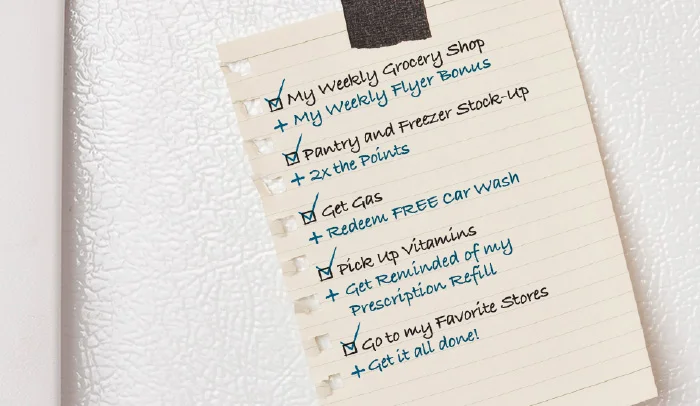

Why now. Retailers are fighting to protect grocery share as trip missions fragment and store choice widens. Urban and suburban contexts are diverging on frequency, basket size, and loyalty “stickiness.” The evidence below translates those differences into program moves marketers can act on.
Optimizing Grocery Loyalty for Urban vs. Suburban Shoppers
Retailers are facing an increasingly fragmented grocery landscape as trip missions diverge and store choice widens. Understanding the unique dynamics of urban and suburban markets is crucial for designing effective loyalty programs that drive engagement and spend. This article explores the key differences in shopping behavior and the strategies marketers can employ to better serve these distinct consumer segments.
Diverging Trip Missions: Urban vs. Suburban Shoppers
Shoppers in dense urban areas are increasingly favoring quick, top-up trips, while their suburban counterparts still anchor around planned stock-up missions. Location analytics show that short grocery visits (under 10 minutes) have grown fastest over the past two years, a durable post-pandemic behavior shift that benefits proximity formats and prepared foods.
This divergence is further underscored by the USDA's definitions of "low access" - just 0.5-1 mile in urban areas versus 10-20 miles in rural areas. This highlights why suburban and rural households consolidate trips, while city shoppers can make frequent, smaller runs.
Pro Tip: In dense urban nodes, design loyalty to reward frequency and micro-missions (e.g., "3 lunchtime visits this week = instant dollars off"). In suburbs, lean into planned weekly baskets and household-size dynamics with stock-up accelerators and bulk-friendly incentives.
Building "Stickiness" Through the Weekly Shop
Foot-traffic data shows that traditional supermarkets outperform on loyalty intensity, with H-E-B and Kroger attracting the highest shares of loyal visitors (38.5% and 27.6%, respectively). This signals that winning the full-basket mission is still a key driver of repeat behavior.
However, the path to "stickiness" varies by geography. H-E-B's mix skews more urban (32.6% of visitors from major metro centers), while Harris Teeter draws 78.3% from suburban and satellite cities - yet both succeed by anchoring comprehensive weekly shops and deep assortments.
Key Takeaway: Suburban markets are primed for tiered benefits tied to weekly stock-ups and category depth (e.g., "5 meat/produce trips this quarter = higher tier"). Urban formats can still build stickiness, but the path runs through repeat top-ups and prepared-food missions, not just a single dominant weekly shop.
The Omnichannel Shift: Blurring the Line Between Urban and Suburban
Most U.S. grocery households now mix online and in-store activity in a typical month, making unified accrual/redemption essential. FMI/NielsenIQ reports that 96% of U.S. shoppers visited a convenience store at least twice in 2024, highlighting proximity retail's role in capturing quick missions that are concentrated in urban corridors.
The omnichannel share keeps climbing, with NielsenIQ estimating 70.6% of households are omnichannel and online now accounts for 16.1% of CPG dollars.
Pro Tip: Urban loyalty should knit together delivery, rapid-fulfillment, and in-store missions with unified earn and instant, low-threshold rewards. Suburban programs should make pickup a loyalty lever (e.g., fee waivers at mid/high tiers) and recognize households that split stock-up baskets across digital and store.
Spend Polarization and the Restaurant Challenge
Consumer research estimates $174 average spend per grocery trip in 2024 alongside fewer monthly trips versus 2022, signaling "do more per run" behavior that aligns with suburban stock-ups and encourages basket-building mechanics.
However, card-spend data show grocery growth lagged restaurants in June 2025 - up just 0.1% year-over-year vs. 2.1% for restaurants, reminding grocers that prepared-food and meal-solution offers remain critical to defend share of stomach in urban lunch/dinner dayparts.
Key Takeaway: In suburbs, use loyalty to bundle bigger, more profitable baskets (meal-planning bundles, household-size promos, "buy across fresh departments" boosters). In cities, counter restaurant leakage with prepared-food stamps, lunch-time streaks, and time-boxed offers around commuter windows.
Adapting Loyalty to Local Competitive Dynamics
Dense urban trade areas offer abundant nearby options and shorter dwell times - conditions that reinforce cross-shopping and promotion-led store choice. Placer.ai data shows that suburban households consolidate trips and respond to larger-threshold rewards, while urban shoppers reward immediacy and low friction.
Pro Tip: Calibrate thresholds to local reality. Urban: lower thresholds, more instant wins, and mission badges for small baskets. Suburbs: higher thresholds with meaningful step-ups (e.g., curbside/pickup perks or fuel-adjacent benefits) and seasonal "stock-up" accelerators.
Closing Thoughts
Urban and suburban grocery loyalty aren't opposites - they're different expressions of the same goals: own the mission, earn the next trip, and grow share of wallet. In practice, "stickiness" comes from aligning benefits to how - and where - people actually shop: fast and frequent in cities, planned and plentiful in the suburbs.